

The Science of Sweat-Proof Tanning: How We Tan Nashville’s Top Athletes and Dancers
Whether it’s a professional dancer rehearsing for hours under stage lights, a fitness competitor preparing for show day, or an athlete balancing intense training sessions, one concern comes up repeatedly: Will my spray tan survive sweat?
At Lets Glow Tans, we work with clients whose lifestyles demand more from their spray tan than the average vacation glow. Athletes, dancers, performers, fitness enthusiasts, and active professionals need a tan that develops evenly, wears beautifully, and withstands the realities of movement, heat, and perspiration. Our customized mobile spray tanning service allows us to tailor every application to the client’s skin type, schedule, activity level, and event timeline, helping create a flawless result that performs as beautifully as it looks.
The truth is that achieving a sweat-resistant spray tan is not simply about choosing a darker solution or applying more product. It involves understanding skin biology, hydration levels, sweat production, formulation chemistry, application techniques, and aftercare science. When all of these factors work together, a spray tan can maintain its appearance remarkably well—even for some of Nashville’s busiest athletes and performers.
Understanding How a Spray Tan Actually Develops
Many people assume spray tanning works by depositing color directly onto the skin. While there is some cosmetic bronzer involved in most solutions, the long-term color develops through a chemical reaction within the skin itself.
The primary active ingredient in professional spray tanning solutions is DHA (dihydroxyacetone). DHA interacts with amino acids located within the outermost layer of the skin, known as the stratum corneum. This reaction creates melanoidins, which produce the brown coloration associated with a sunless tan.
Because this process occurs only within the dead skin cells on the skin’s surface, the tan gradually fades as those cells naturally shed. This is why proper skin preparation and maintenance play such a significant role in longevity.
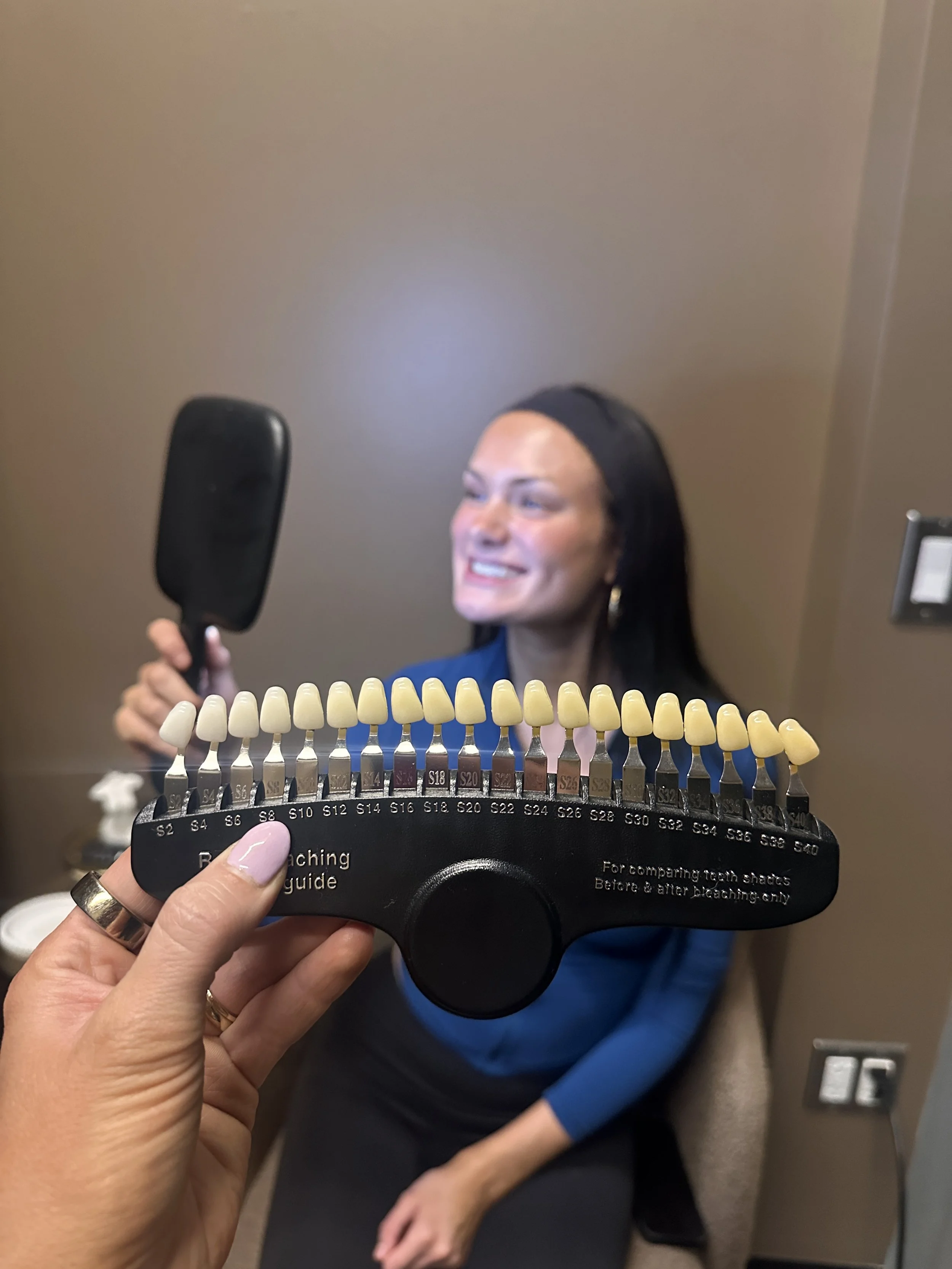
Sweat becomes relevant because excessive moisture can interfere with DHA development before the reaction is complete. If the skin becomes wet too soon after application, portions of the developing tan may become diluted or disrupted, potentially leading to uneven color or premature fading.
This is especially important for athletes and dancers whose schedules often involve workouts, rehearsals, competitions, or performances within hours of receiving their spray tan.
Why Athletes and Dancers Present Unique Tanning Challenges
Not all skin behaves the same way after a spray tan. Active individuals face environmental and physiological factors that can affect development and wear.
One major factor is increased sweat production. During exercise, the body releases moisture through sweat glands to regulate temperature. While this process is essential for performance, it can create challenges during the initial development window of a spray tan.
Frequent showering is another consideration. Most athletes shower more often than average due to training schedules. While necessary for hygiene, repeated washing can accelerate the natural exfoliation process that causes spray tans to fade.
Friction also plays a substantial role. Compression garments, sports bras, leggings, dance costumes, athletic tape, protective equipment, and repetitive body movements all create mechanical rubbing against the skin. Areas experiencing constant friction often fade more quickly than other parts of the body.
Professional dancers encounter an additional challenge: stage conditions. Bright lights generate heat that can stimulate perspiration while simultaneously drawing attention to every detail of the skin. Uneven fading or streaking that might go unnoticed in everyday life can become highly visible under performance lighting.
For these reasons, active clients require a more strategic approach than a standard spray tan.
The Role of Skin Preparation in Sweat Resistance
The foundation of a long-lasting spray tan begins well before the tanning appointment itself.
One of the most important factors is creating an even canvas for DHA absorption. Dry patches, rough texture, and uneven dead skin buildup can cause inconsistent color development and premature fading.
For athletes and dancers, we often emphasize exfoliation timing even more carefully than we would for traditional clients. Proper exfoliation removes excess dead skin cells while preserving a healthy skin barrier. When performed correctly, the skin accepts the tanning solution more evenly and retains color more consistently.
Hydration is equally important. Contrary to popular belief, dehydrated skin does not hold a spray tan better. In fact, excessively dry skin tends to shed unevenly, resulting in patchy fading.
Maintaining balanced skin hydration in the days leading up to an appointment allows the DHA reaction to occur more uniformly. The result is often a smoother, more natural fade pattern throughout the life of the tan.
Hair removal timing also matters. Shaving, waxing, and other hair removal methods temporarily alter the skin’s surface. Scheduling these services appropriately before a spray tan helps prevent irritation and ensures more consistent absorption of the tanning solution.
How Solution Selection Impacts Sweat Performance
One of the biggest misconceptions in spray tanning is that every tanning solution behaves identically.
Professional tanning solutions vary significantly in formulation. Different products contain varying DHA concentrations, cosmetic bronzers, hydration ingredients, accelerators, and skin-conditioning agents.
For highly active clients, solution selection becomes particularly important.
At Lets Glow Tans, we customize formulas based on individual goals rather than relying on a single universal product. A competitive athlete preparing for an event may require a different approach than a dancer performing under stage lighting or a runner training outdoors during a Nashville summer.
Skin tone, undertone, oil production, dryness levels, sensitivity, and anticipated activity all influence which formulation will produce the best outcome.
The objective is not necessarily achieving the darkest tan possible. Instead, the goal is creating a balanced result that develops predictably, wears evenly, and complements the client’s natural coloring while accommodating their lifestyle demands.
The science behind customization often determines whether a tan fades gracefully or begins breaking down unevenly after only a few days.
The Importance of Application Technique
Even the highest-quality solution cannot compensate for poor application.
Professional spray tanning involves much more than simply applying color to the skin. Precise spray patterns, controlled saturation levels, body positioning, and blending techniques all influence final results.
Athletes and dancers frequently have more developed muscle definition than average clients. Proper contouring of muscle groups and strategic application help create a natural, balanced appearance that enhances rather than exaggerates definition.
Equally important is avoiding oversaturation. Excessive product buildup can increase drying times and create areas more susceptible to transfer or uneven development.
Experienced spray tanning professionals understand how different body regions absorb solution differently. Areas such as elbows, knees, ankles, hands, and feet naturally absorb more DHA and therefore require special attention during application.
When these variables are managed correctly, the tan develops more uniformly and maintains its appearance longer throughout periods of physical activity.
Managing the Critical Development Window
The first several hours following a spray tan are often the most important.
During this development phase, DHA continues reacting with amino acids in the skin. Excess moisture introduced too early can interfere with the process.
For active clients, strategic scheduling becomes essential.
Many athletes choose appointments after their final workout of the day, allowing ample development time before their next training session. Dancers often schedule tans around rehearsal blocks to minimize perspiration during the initial processing period.
Loose-fitting clothing helps reduce friction and prevents unnecessary disruption of developing color. Breathable fabrics can also help regulate body temperature and reduce sweating.
Environmental conditions matter as well. Nashville’s humidity levels can fluctuate significantly throughout the year, influencing both comfort and perspiration. Remaining in a cool environment during development often helps support optimal results.
While occasional minor perspiration is usually manageable, avoiding intense exercise during the recommended processing period remains one of the most effective ways to protect a fresh spray tan.
Sweat Does Not Destroy a Developed Spray Tan
One of the most reassuring facts for athletes and dancers is that sweat itself is not the enemy once the tan has fully developed.
After DHA completes its reaction and the initial rinse has occurred, the resulting color resides within the upper layer of the skin. Perspiration alone does not instantly remove this color.
What often causes fading is the combination of sweat with friction and repeated cleansing. For example, sweat trapped beneath compression garments may increase rubbing against the skin. Frequent scrubbing during post-workout showers can accelerate exfoliation. Certain athletic fabrics may repeatedly contact the same areas, gradually wearing away color.
Understanding this distinction helps active clients care for their tans more effectively.
The goal is not avoiding exercise entirely. Instead, it is minimizing unnecessary exfoliation while maintaining healthy skin.
Gentle cleansing products, lukewarm water, and careful towel drying can significantly extend tan longevity without disrupting an active lifestyle.
The Relationship Between Hydration and Tan Longevity
Hydration plays a surprisingly large role in spray tan performance.
Healthy skin functions as a more stable platform for color retention. When the skin becomes excessively dry, surface cells shed more rapidly and unevenly. This process often creates the patchiness many people mistakenly blame on the tanning solution itself.
Regular moisturizing helps slow excessive moisture loss while supporting a smoother fading pattern.
Athletes may be especially prone to dehydration due to intensive physical activity and fluid loss through perspiration. Internal hydration influences overall skin health, while external moisturization supports barrier function and appearance.
For this reason, consistent hydration practices often contribute just as much to tan longevity as the original spray tan application itself.
Clients who prioritize skin health frequently notice that their tans fade more naturally and maintain a polished appearance longer between appointments.
Why Nashville’s Climate Matters
Local climate conditions can influence spray tan outcomes more than many people realize.
Nashville experiences warm summers, periods of high humidity, and seasonal temperature fluctuations that affect both skin behavior and perspiration levels.
Higher humidity can increase sweat production and create challenges during the development phase. Outdoor activities, sporting events, music festivals, and summer weddings often expose clients to extended periods of heat and moisture.
Understanding these environmental factors allows us to make informed recommendations regarding appointment timing, development schedules, and aftercare strategies.
For example, a dancer preparing for an indoor performance may require different guidance than a runner participating in an outdoor race weekend during peak summer temperatures.
Personalization becomes especially valuable when environmental conditions are working against tan longevity.
Creating a Tan That Works With an Active Lifestyle
The most successful spray tans are not necessarily the darkest or most dramatic. They are the tans that integrate seamlessly into a client’s real life.
For athletes and dancers, this means a tan that develops evenly, withstands demanding schedules, complements natural movement, and fades gracefully over time.
Achieving that result requires more than simply spraying a solution onto the skin. It involves understanding skin physiology, environmental influences, product chemistry, application science, and individualized aftercare recommendations.
At Lets Glow Tans, our approach is rooted in customization because no two clients—or lifestyles—are exactly alike. Whether we are tanning a performer heading into show week, a fitness enthusiast preparing for photos, or an athlete balancing daily training sessions, the process begins with understanding how their skin and schedule interact.
The science of sweat-proof tanning ultimately comes down to preparation, formulation, technique, timing, and maintenance. When those elements work together, active clients can enjoy a beautiful, natural-looking glow that supports their performance goals rather than competing with them.
A properly executed spray tan should fit effortlessly into an active lifestyle—and with the right professional approach, even Nashville’s hardest-working athletes and dancers can enjoy a lasting glow that keeps up with every rehearsal, workout, and performance.