

A beautiful, sun-kissed glow can completely elevate your look, but when it comes to achieving it, should you reach for an at-home self-tanner or book a professional spray tan? While both offer a way to get bronzed without UV exposure, the experience, application, and final results can be quite different.
At Lets Glow Tans, we know that the secret to a gorgeous tan is finding the right shade for your skin and achieving a flawless, natural-looking finish. Our luxury mobile spray tanning services in Nashville take the guesswork out of getting your glow, with customized color and professional application brought right to your door.
But is a professional spray tan really worth it, or can your favorite self-tanner deliver the same results? Let's break down the differences, from color and coverage to convenience and longevity, so you can decide which option deserves a spot in your beauty routine.
What Is the Difference Between a Spray Tan and Self Tanner?
The biggest difference between a spray tan and self-tanner is how the product is applied and how much control you have over the final result.
A spray tan is a professional sunless tanning treatment in which a trained technician applies a specialized tanning solution to your skin using a spray tanning machine. The solution is distributed in a fine, even mist, allowing the technician to customize the application based on your natural skin tone, undertones, and desired depth of color.
Self-tanner, on the other hand, is an at-home tanning product that you apply yourself. It typically comes in lotions, mousses, creams, drops, or gradual tanning formulas. You control how much product you use, where you apply it, and how often you repeat the application.
Both options generally rely on an ingredient called DHA (dihydroxyacetone), which reacts with amino acids in the outermost layer of your skin to create a temporary bronzed appearance. Neither option produces a traditional UV tan.
The difference is that a professional spray tan combines specialized equipment, application expertise, and customized blending, while self-tanning depends largely on your product selection and application technique.
Spray Tan vs. Self Tanner: Comparing the Results
When deciding between these two options, the final appearance is often the most important consideration. While both can create a sun-kissed glow, consistency and application technique play a significant role.
The Appearance of a Professional Spray Tan
One of the biggest advantages of professional spray tanning is the ability to achieve a more uniform finish. A trained technician understands how to distribute solution evenly across the body, paying attention to areas that are particularly easy to miss or overapply.
This includes the backs of the legs, elbows, knees, ankles, wrists, and areas around the hands and feet. These spots often create challenges when applying self-tanner at home.
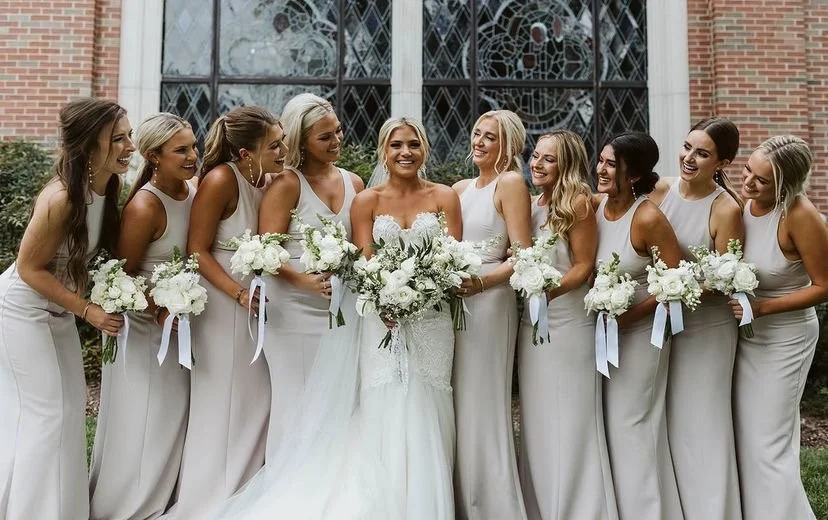
Professional application also allows for customization. Different skin tones, undertones, and tanning goals require different approaches. A shade that looks beautiful on one person may appear too dark, too warm, or too subtle on someone else.
At Lets Glow Tans, customization is an important part of the experience. Rather than approaching every client with a one-shade-fits-all mindset, we consider the desired result and select an appropriate professional solution.
The Appearance of At-Home Self Tanner
Self-tanners can produce beautiful results, especially when you have experience applying them. Many modern formulas are designed to blend easily and provide natural-looking color.
However, achieving an even application requires patience and attention to detail. Applying too much product in one area, missing a section, or failing to blend around joints can lead to streaks and uneven patches.
Self-tanner can also settle into dry areas, making skin preparation particularly important. Even a high-quality product may produce inconsistent results if your skin is not properly exfoliated and moisturized.
The bottom line: Both methods can look natural, but professional spray tanning offers an advantage when consistency, full-body coverage, and customized color are priorities.
Which Lasts Longer: Spray Tan or Self Tanner?
Generally, professional spray tans and at-home self-tanners last approximately five to ten days, although individual results vary.
Longevity depends on several factors, including your skin type, the tanning formula, your preparation routine, and how well you care for your skin afterward.
Because DHA develops color in the outermost layer of skin, your tan gradually fades as those skin cells naturally shed. This is why neither option provides permanent color.
A professional spray tan may fade more evenly when applied correctly, particularly when the skin has been properly prepared. However, an at-home self-tanner can also last just as long when the formula is suitable and application is consistent.
To extend the life of either tan, focus on maintaining hydrated skin. Use a gentle, moisturizing body wash, avoid harsh exfoliation while your tan is developing and fading, and apply a nourishing moisturizer daily.
Hot showers, swimming, excessive sweating, and frequent exfoliation can also contribute to faster fading.
Is a Spray Tan Safer Than Self Tanner?
Both professional spray tans and at-home self-tanners are considered sunless tanning options because they do not require UV exposure to create their bronzed appearance.
DHA, the primary active ingredient in most sunless tanning products, works on the surface of the skin rather than stimulating melanin production through ultraviolet radiation.
However, there are a few important considerations.
Understanding DHA and Sunless Tanning
DHA reacts with amino acids in the outermost layer of the skin to produce temporary brown pigments called melanoidins. This process is different from the biological tanning response caused by UV exposure.
Although DHA-based products are widely used in sunless tanning, they should not be considered skincare treatments or substitutes for sun protection.
A spray tan does not protect your skin from UV rays. You should continue wearing broad-spectrum sunscreen with SPF 30 or higher whenever you're outdoors.
Why Application Matters
With professional spray tanning, the technician controls the application process and can help minimize unnecessary exposure.
Spray tanning involves inhalation and mucous membrane exposure considerations. DHA products should not be inhaled or applied to the eyes, lips, or other mucous membranes. Appropriate protective measures and application practices are important.
At-home products also require careful use. Always follow the manufacturer's directions, avoid sensitive areas unless the product is specifically intended for them, and discontinue use if irritation develops.
For either option, choosing a reputable formula and following proper application instructions is essential.
Which Is Easier: Professional Spray Tan or Self Tanner?
Convenience looks different depending on your schedule, experience, and expectations.
Self-tanner offers flexibility because you can apply it whenever you have time. You do not need to schedule an appointment or coordinate with a technician. If you enjoy your existing tanning routine and have mastered your application technique, this can be an excellent option.
However, the process can be surprisingly time-consuming. You need to exfoliate, prepare your skin, apply the product evenly, blend difficult areas, and allow adequate drying and development time.
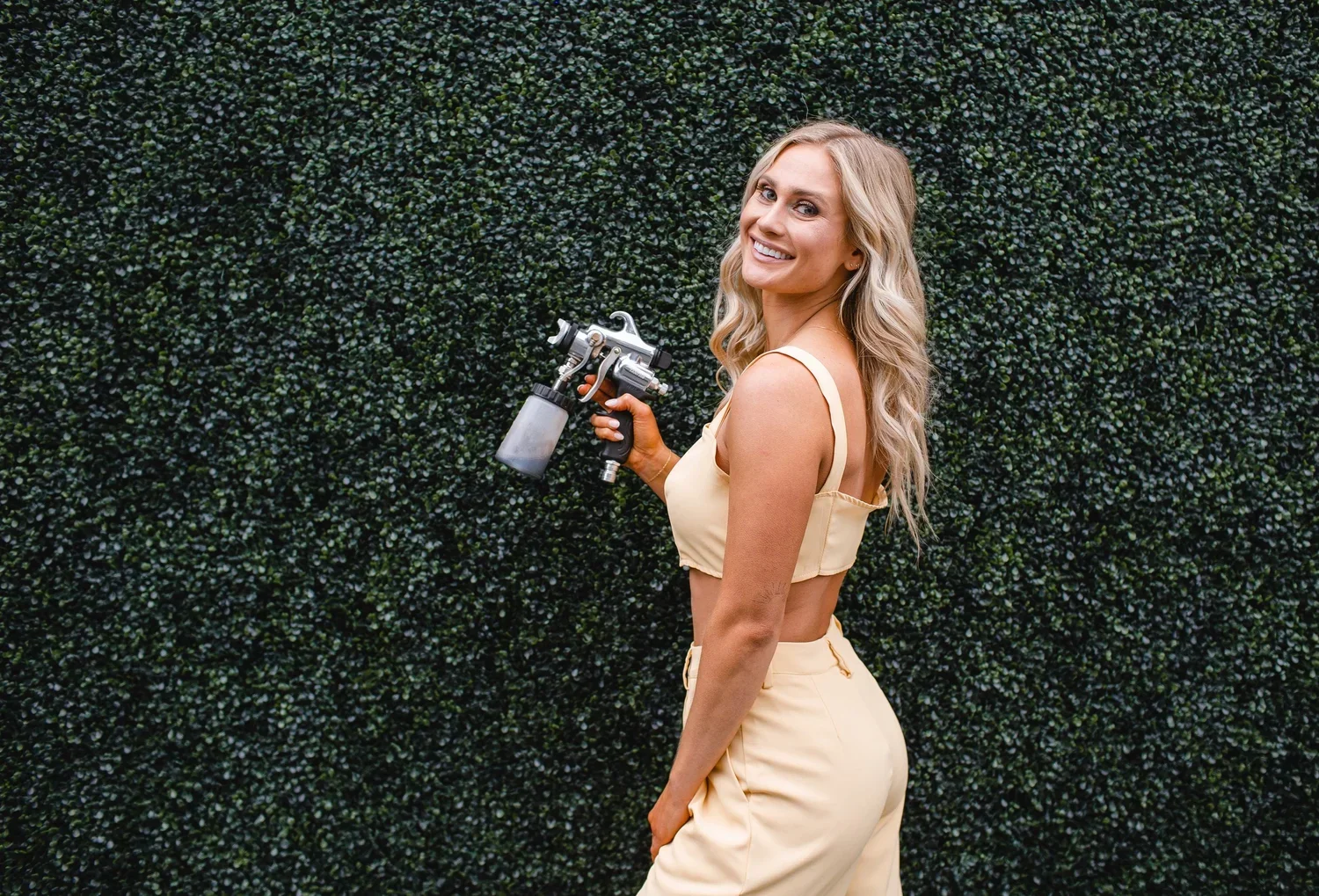
Professional spray tanning removes much of that guesswork. Instead of trying to reach every area yourself, you have an experienced technician handling the application.
Mobile spray tanning adds another layer of convenience. Rather than driving to a salon, you can enjoy a professional tanning experience in the comfort of your home, office, or hotel room.
For busy Nashville women balancing work, family, social plans, and special events, that convenience can make a meaningful difference.
Spray Tan vs. Self Tanner for Special Events
If you're preparing for a wedding, vacation, photoshoot, formal event, or bachelorette celebration, choosing the right tanning method becomes especially important.
You want a glow that complements your outfit, photographs beautifully, and looks natural in different lighting conditions.
Why Professional Spray Tanning Works Well for Weddings
Wedding preparation often involves several beauty appointments, fittings, and last-minute details. A professional spray tan can help create a more consistent finish across your arms, legs, shoulders, and neckline.
Timing is particularly important. We generally recommend scheduling your spray tan approximately two days before your wedding, allowing time for the color to develop and any initial bronzer to rinse away according to the solution's instructions.
Always schedule a trial tan before the big day so you can evaluate the color and make adjustments if needed.
Self Tanner for Vacations and Everyday Glow
Self-tanner can be a convenient choice for maintaining a subtle glow between professional appointments or adding color before a casual weekend away.
However, if you're traveling for a special occasion and want an even, full-body result, a professional spray tan may offer greater peace of mind.
It also eliminates the need to pack tanning mousse, application mitts, and other products in your suitcase.
How to Prepare for a Spray Tan or Self Tanner
Regardless of which tanning method you choose, preparation is one of the most important factors in achieving beautiful results.
The condition of your skin directly affects how evenly a sunless tanning solution develops. Dry patches, leftover product, and uneven exfoliation can all contribute to inconsistent color.
Exfoliate Before Application
Gently exfoliate your skin approximately 24 hours before tanning. Pay particular attention to your elbows, knees, ankles, and other areas where dead skin can accumulate.
Avoid aggressive scrubbing, as irritated skin may affect your tanning experience.
Remove Old Product and Residue
Make sure your skin is clean and free from leftover self-tanner, body oils, deodorant, perfume, and heavy lotions before your appointment or at-home application.
These products can interfere with even application.
Avoid Last-Minute Shaving
If you shave or wax, try to complete it at least 24 hours before tanning when possible. This gives your skin time to settle before application.
Wear Appropriate Clothing
For a professional spray tan, choose loose-fitting, dark clothing and open footwear to minimize rubbing after your appointment.
Follow your technician's instructions regarding when to shower, exercise, and resume your normal skincare routine.
So, Which Should You Choose: Spray Tan or Self Tanner?
Ultimately, the best choice depends on your lifestyle, experience, and desired results.
Self-tanner is a great option if you enjoy doing your own beauty treatments, want flexibility, and feel confident applying products evenly. It can also be useful for maintaining color between professional tanning appointments.
A professional spray tan is often the better choice if you want consistent coverage, customized color, and a polished finish without having to apply the product yourself.
For weddings, vacations, photoshoots, and other special occasions, professional application can provide additional confidence that your color will complement your natural skin tone and overall look.
We believe your tan should feel like an extension of your skincare and beauty routine. Every complexion is different, and achieving a natural-looking glow starts with understanding your individual skin tone, preferences, and goals.
Ready for your next glow? Whether you're getting ready for a special occasion or simply want to feel a little more sun-kissed every day, Lets Glow Tans is here to help you achieve a gorgeous, natural-looking tan. Book your Nashville mobile spray tan and let your Glow Gang glow begin!