

Sunless Tanning Lotion While Pregnant: What Expecting Moms Should Know
Pregnancy brings a long list of changes to your body, your skincare routine, and even your beauty habits. Many expecting moms become more mindful of the ingredients they use and the products they apply to their skin. At the same time, pregnancy can bring new skin concerns like uneven pigmentation, dullness, or feeling less confident about your complexion.
It’s completely natural to want a healthy glow during this stage of life. In fact, many of our clients book spray tans before maternity photoshoots, baby showers, or special events simply because a beautiful sunless tan can help even out skin tone and create that radiant look in photos.
But one of the most common questions we hear from expecting mothers is this: Is sunless tanning lotion safe while pregnant?
The short answer is that most sunless tanning products are generally considered low-risk when used properly, but there are important details every pregnant woman should understand before applying any self-tanner. In this guide, we’ll walk through how sunless tanning works, ingredient safety considerations, dermatologist guidance, and the safest ways to maintain a glow during pregnancy.
Understanding How Sunless Tanning Works
Sunless tanning products, including lotions, mousses, drops, and sprays, work by temporarily darkening the outer layer of your skin. The primary ingredient responsible for this color change is dihydroxyacetone (DHA).
DHA is a sugar-derived compound that reacts with amino acids in the top layer of skin cells (the stratum corneum). This reaction creates pigments called melanoidins, which produce the appearance of a tan. Unlike traditional tanning from the sun or tanning beds, this process does not involve ultraviolet (UV) radiation.
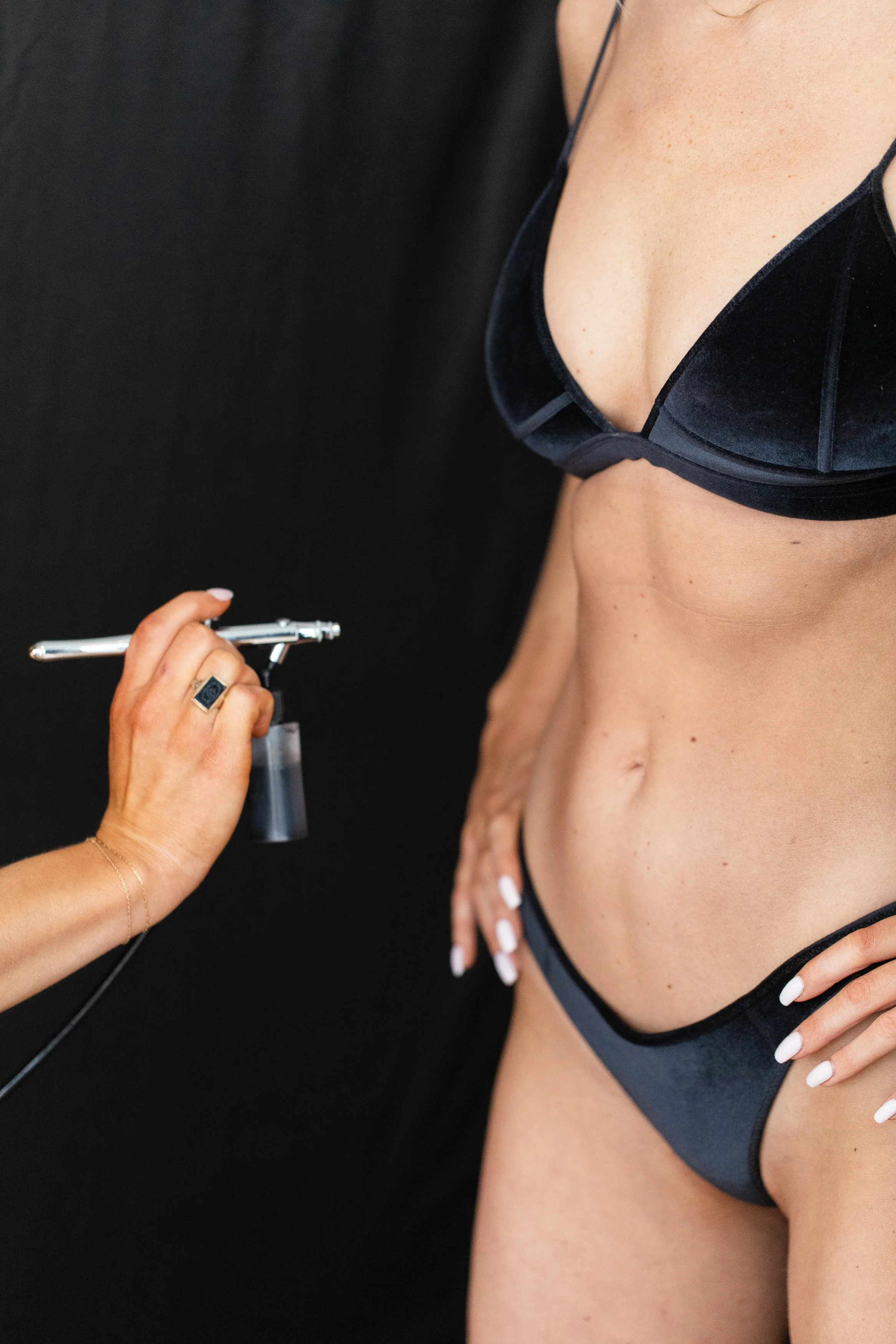
This is one of the reasons sunless tanning is widely recommended as a safer alternative to UV tanning. UV exposure is associated with premature aging and increased skin cancer risk, while sunless tanning simply colors the outermost layer of skin.
Another important point is that DHA does not penetrate deeply into the body. Most research indicates that it stays within the surface layer of the skin and gradually fades as those skin cells shed naturally over several days.
Because of this limited absorption, many medical professionals consider topical self-tanners to pose minimal systemic risk. However, pregnancy introduces additional caution around inhalation, ingredient exposure, and skin sensitivity, which is why understanding the details matters.
Is Sunless Tanning Lotion Safe During Pregnancy?
There is currently no strong evidence suggesting that topical self-tanning lotions are harmful during pregnancy, but research specifically studying pregnant populations is limited.
Most dermatologists and obstetricians agree on several general guidelines:
First, DHA applied to the skin in lotion form is believed to remain largely on the outer layer of the skin. Only a very small amount is thought to be absorbed, if any.
Second, the primary concern during pregnancy is not the topical application itself but accidental inhalation or ingestion of tanning solution. This concern is especially relevant for spray tanning environments where airborne particles could potentially be inhaled.
Third, pregnancy often increases skin sensitivity. Hormonal changes can make the skin more reactive to fragrances, preservatives, or cosmetic ingredients that previously caused no irritation.
For these reasons, many healthcare providers consider self-tanning lotions safer than spray tanning or tanning beds during pregnancy, provided the products are used carefully and contain skin-friendly ingredients.
Of course, the best approach is always to discuss any new skincare product with your OB-GYN before using it, particularly if you have sensitive skin, allergies, or a high-risk pregnancy.
Why UV Tanning Is Especially Risky During Pregnancy
While sunless tanning products may raise questions, UV tanning is clearly discouraged during pregnancy.
Exposure to UV radiation from the sun or tanning beds carries several risks that become more significant while pregnant.
Hormonal changes increase the likelihood of melasma, often called the “pregnancy mask.” This condition causes dark patches of pigmentation, especially on the face. UV exposure can significantly worsen melasma and make it more difficult to treat later.
Pregnancy can also make the skin more prone to sunburn and irritation. Increased blood flow and hormonal shifts often heighten skin sensitivity.
Additionally, tanning beds expose the body to concentrated UV radiation, which is associated with increased skin cancer risk. Some experts also warn that overheating during pregnancy could potentially pose risks to fetal development.
Because of these concerns, dermatologists and obstetricians widely recommend avoiding tanning beds entirely while pregnant and prioritizing sun protection instead.
Ingredients to Pay Attention to in Self-Tanning Lotions
If you are considering using a sunless tanning lotion while pregnant, it’s important to look beyond the DHA and evaluate the entire ingredient list.
Many modern self-tanners contain additional ingredients designed to improve skin hydration, color longevity, and application quality. While many of these ingredients are beneficial, some may be worth avoiding during pregnancy.
Fragrance is one of the most common irritants in skincare products. Synthetic fragrances can trigger skin sensitivity or headaches, which may already be heightened during pregnancy.
Parabens are another ingredient some expecting mothers prefer to avoid. While research on parabens remains mixed, many clean beauty brands now formulate products without them.
Alcohol-heavy formulas can also dry out skin, which may already feel more sensitive or stretched during pregnancy.
On the positive side, many high-quality sunless tanning products now include nourishing ingredients such as aloe vera, hyaluronic acid, coconut water, or botanical extracts that support skin hydration.
When evaluating a self-tanner, look for formulas that emphasize skin-nourishing, ingredient-conscious blends rather than harsh additives or unnecessary fillers.
Spray Tanning vs. Self-Tanning Lotion During Pregnancy
A common question expecting mothers ask is whether spray tanning or self-tanning lotion is the safer option.
Self-tanning lotion is generally considered the lowest exposure method because it is applied directly to the skin and does not create airborne particles.
Spray tanning, on the other hand, involves a fine mist of tanning solution. In professional environments, technicians often use ventilation systems, nose filters, and protective measures to reduce inhalation risk. However, some medical professionals still recommend caution because inhaling DHA has not been extensively studied in pregnancy.
For this reason, some pregnant clients prefer to stick with topical self-tanners during pregnancy.
Others choose professional spray tanning with added precautions, such as wearing nose plugs, lip balm barriers, and avoiding deep inhalation during the service.
If you’re considering professional tanning while pregnant, it’s best to discuss the option with both your healthcare provider and an experienced technician who understands proper safety protocols.
Skin Changes During Pregnancy That Affect Your Tan
Pregnancy can influence how your skin reacts to sunless tanning products in several ways.
Hormonal fluctuations often increase melanin production, which may lead to uneven pigmentation or darker patches on the face, neck, or abdomen. This can affect how self-tanners develop across different areas of the body.
Stretching skin around the belly, hips, and chest may also cause the tan to appear lighter or fade differently in those areas.
Additionally, increased skin sensitivity may lead to mild irritation from products that never caused issues before pregnancy.
Because of these changes, patch testing becomes even more important. Applying a small amount of product to a discreet area first can help ensure the formula develops evenly and does not trigger irritation.
Hydration also plays a key role. Well-moisturized skin helps sunless tanning products apply more smoothly and fade more naturally.
Tips for Using Sunless Tanning Lotion Safely While Pregnant
If your healthcare provider approves the use of self-tanning lotion, there are several simple practices that can make the experience safer and more comfortable.
Start by choosing high-quality formulas with skin-friendly ingredients and minimal artificial additives. Ingredient-conscious products are often better tolerated by sensitive or changing skin.
Always perform a patch test before applying the product across larger areas of your body. This step helps identify potential reactions before they become widespread.
Apply the product in a well-ventilated room to avoid inhaling any fumes from the formula. While lotions are far less airborne than sprays, good airflow is still beneficial.
Wash your hands thoroughly after application to prevent accidental ingestion of the product.
It’s also wise to avoid applying self-tanner to broken or irritated skin, which can increase absorption and discomfort.
Finally, maintain realistic expectations about color depth. A subtle glow often looks more natural and flattering during pregnancy than trying to achieve a very dark tan.
Pregnancy-Friendly Alternatives for a Healthy Glow
If you prefer to avoid sunless tanning lotions entirely during pregnancy, there are several alternative ways to achieve a radiant complexion.
Illuminating body lotions can add a subtle glow without using DHA. Many contain light-reflecting minerals that enhance skin brightness temporarily.
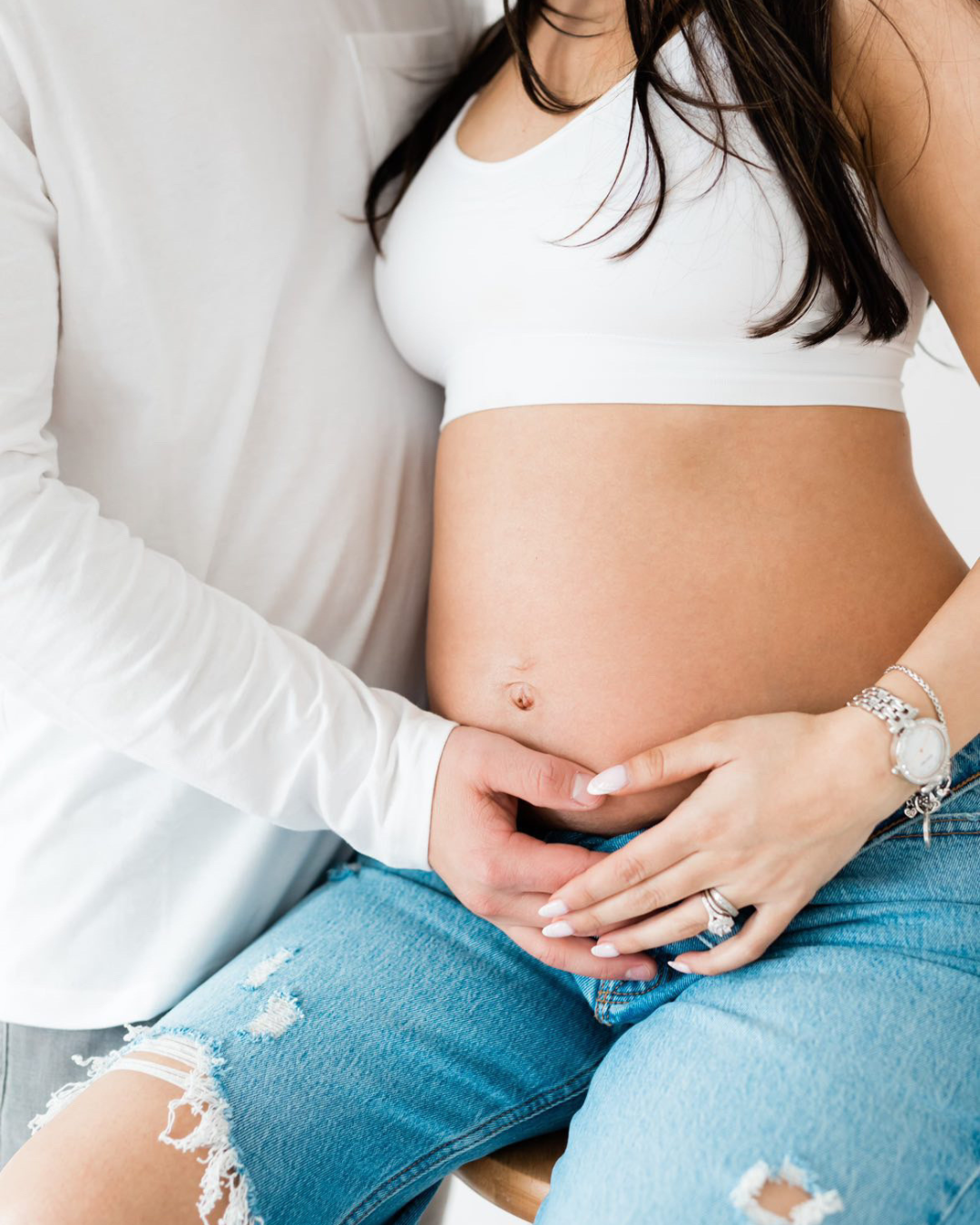
Gradual tanning moisturizers may also offer a gentler option, as they contain smaller amounts of DHA and develop color more slowly over multiple applications.
Another approach is focusing on skin health and hydration. Proper exfoliation, moisturizing, and gentle body oils can make skin look smoother and more luminous even without added color.
Many expecting mothers also choose professional spray tans specifically timed for special occasions like maternity photos. In these situations, working with experienced technicians who use high-quality solutions and proper safety practices can help create a natural glow for important milestones.
The Bottom Line
Maintaining a healthy glow during pregnancy is completely understandable. Between baby showers, maternity photos, and special events, many moms-to-be want to feel confident and radiant in their skin.
Current research suggests that topical sunless tanning lotions are generally considered low risk because DHA primarily affects the outer layer of the skin. However, because pregnancy safety research is limited, it’s always wise to take a cautious approach.
Consulting your healthcare provider, choosing ingredient-conscious formulas, and avoiding inhalation exposure are all smart steps when considering sunless tanning during pregnancy.
At Lets Glow Tans, we believe that feeling confident in your skin should always go hand-in-hand with making informed choices about skin health. Whether you prefer self-tanning lotions or are exploring professional options for special moments, understanding how sunless tanning works allows you to make the decision that feels right for you and your baby.
Pregnancy is a beautiful season of life, and a healthy glow—however you choose to achieve it—should simply enhance that natural radiance.