

How to Keep a Spray Tan From Fading Patchy
A professional spray tan should not only look beautiful on day one—it should fade as evenly and naturally as possible over the days that follow. When a tan starts disappearing in patches, collecting around certain areas, or becoming noticeably uneven, the issue is often less about the color itself and more about what happens to the skin before and after the appointment.
At Lets Glow Tans, our luxury mobile spray tanning service in Nashville, we focus on more than achieving the right depth and tone. A customized spray tan works best when the skin is properly prepared and cared for afterward. Because sunless tanning solution develops within the outermost layers of the skin, anything that causes those skin cells to shed unevenly can also cause the tan to fade unevenly.
The good news is that patchiness is often preventable. With thoughtful preparation, gentle skincare, and a few changes to your daily routine, you can help your spray tan maintain a smoother, more consistent appearance from development through the final stages of fading.
Why Does a Spray Tan Fade Patchy?
To understand patchy fading, it helps to understand how a spray tan works. The primary tanning ingredient in most professional sunless solutions is DHA, or dihydroxyacetone. DHA reacts with amino acids in the outermost layer of the skin, creating the temporary bronzed appearance associated with a sunless tan.
Because the color exists in the outer layers of the skin, it gradually disappears as dead skin cells naturally shed. Your skin does not exfoliate at exactly the same rate everywhere, however. Friction, dryness, shaving, bathing habits, skincare products, sweating, and clothing can all influence how quickly certain areas lose color.

That is why you may notice your tan fading faster around the hands, feet, inner arms, underarms, waistband, bra line, or other high-friction areas. The goal of good spray tan aftercare is not to stop the natural fading process. Instead, it is to encourage the skin—and therefore the tan—to fade as consistently as possible.
Proper Preparation Is the First Step Toward an Even Fade
A smooth fade actually begins before your spray tan appointment. Applying tanning solution over dry, flaky, or unevenly exfoliated skin can create areas where more color develops or where the tan begins breaking down prematurely.
Exfoliation should generally be completed before the appointment rather than immediately afterward, giving the skin a clean, even surface for application. Pay particular attention to areas that tend to accumulate dry skin, including the elbows, knees, ankles, and feet. Avoid aggressively scrubbing the skin, since irritation can be just as problematic as insufficient exfoliation.
It is also important to arrive with skin free from products that may interfere with the tanning solution. Heavy lotions, oils, deodorant, and certain skincare products can create barriers between the skin and the solution. Following the specific preparation instructions provided by your spray tan professional will give the formula the best possible surface on which to develop.
Follow Your Recommended Rinse Time Carefully
One of the most important instructions after a spray tan is when to take your first rinse. Different professional formulas can have different development requirements, so there is no single rinse schedule that applies to every spray tan.
Rinsing too soon may interrupt development and result in a lighter or less consistent tan. Leaving a formula on longer than recommended does not necessarily mean you will achieve a better or darker result. Your spray tan professional should tell you when to rinse based on the formula used, your skin, and your desired outcome.
During that initial rinse, keep the process gentle. Avoid aggressively scrubbing the skin, using exfoliating tools, or treating the first shower like a normal deep-clean routine. Your tan will continue settling into its finished appearance according to the characteristics of the solution, so following the aftercare directions for your specific formula matters.
Moisturized Skin Helps a Spray Tan Fade More Evenly
Dry skin is one of the biggest contributors to a tan that looks cracked, scaly, or patchy as it fades. When dry skin cells begin shedding irregularly, the tan attached to those cells disappears irregularly too.
After your initial development and rinse period, consistent moisturizing should become part of your daily routine. Apply a skin-friendly moisturizer regularly, particularly after showering when the skin may be more prone to dryness. Give extra attention to areas such as the legs, elbows, knees, ankles, and hands if they tend to become dry quickly.
The type of moisturizer matters as well. Some formulas contain ingredients that may accelerate exfoliation or simply may not be ideal for maintaining a sunless tan. If you are unsure whether your normal body products are compatible with your tan, ask your spray tan professional for guidance rather than completely changing your routine on your own.
Be Gentle With Your Skin in the Shower
Long, very hot showers may feel relaxing, but they are not the best friend of a fresh spray tan. Extended exposure to hot water can contribute to skin dryness and may encourage the outermost skin cells to soften and shed more quickly.
Keep showers reasonably short and use comfortable rather than excessively hot water when you are trying to extend the appearance of your tan. Avoid scrubbing with loofahs, exfoliating gloves, body brushes, or abrasive washcloths during the life of the tan. When drying off, gently pat the skin with your towel rather than vigorously rubbing it.
You do not need to avoid bathing or normal hygiene to protect a spray tan. The key is simply reducing unnecessary friction and exfoliation. Gentle skincare typically produces a much prettier fade than trying to preserve the tan through extreme measures.
Watch Out for Skincare Ingredients That Increase Exfoliation
One commonly overlooked cause of patchy fading is the skincare routine you use between spray tans. Products designed to encourage cell turnover can make sunless color disappear more quickly because they accelerate the removal of the skin cells where the tan has developed.
Exfoliating acids, retinoids, scrubs, and other resurfacing products can therefore affect the longevity of a tan, particularly when used regularly. This does not mean these ingredients are inherently bad for your skin. It simply means their purpose may conflict with the goal of keeping a temporary tan intact.
Pay particular attention to facial skincare, since the face often fades faster than the body due to cleansing and active skincare routines. Rather than abandoning an established skincare regimen without reason, discuss your routine with your tanning professional so expectations about facial and body fading can be managed appropriately.
Friction Can Make Certain Areas Fade Faster
If your spray tan repeatedly disappears from the same places, friction may be the culprit. Tight clothing, bras, waistbands, socks, shoes, and even repeated contact between areas of the body can gradually remove tanning color faster from those spots.
Immediately after your appointment, loose-fitting clothing can be particularly helpful while the tan is developing. Once the tan has developed, normal clothing is fine, but being aware of repeated friction can help explain why one area may fade sooner than another.
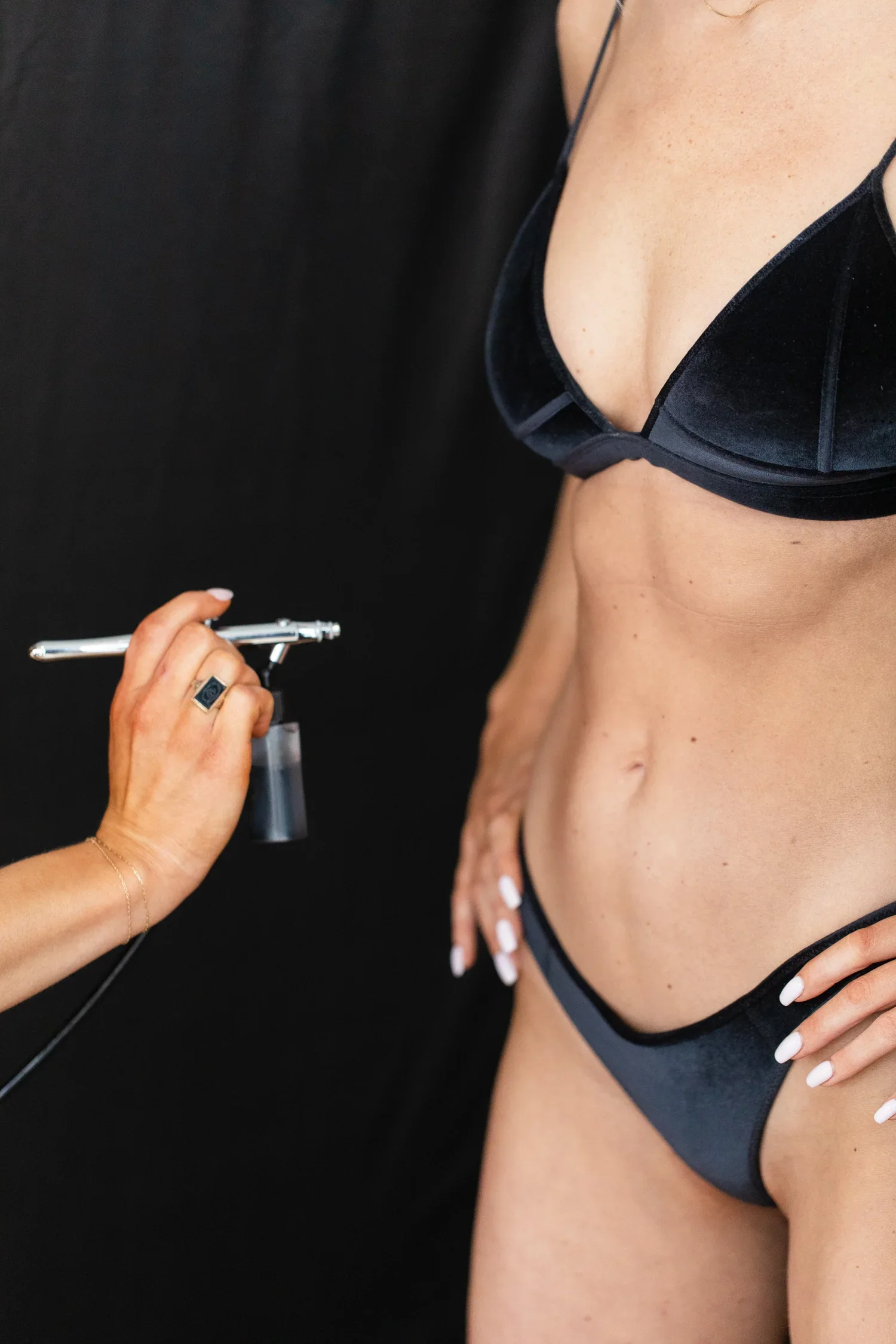
Exercise can also combine sweat and friction, especially around sports bras, waistbands, and fitted workout clothing. You do not necessarily need to stop exercising for the entire life of your tan, but understanding these factors allows you to make realistic decisions when maintaining your color before an important event.
Swimming, Hot Tubs, and Long Baths Can Shorten Tan Longevity
Water exposure is another major factor in spray tan maintenance. A quick shower and an afternoon spent soaking in water do not affect the skin in the same way.
Swimming pools, hot tubs, long baths, and extended periods in the ocean can all contribute to faster fading. The combination of prolonged water exposure, chemicals, heat, salt water, and towel drying can make the outer skin layers shed more quickly. Frequent swimmers may therefore notice that their tans simply do not last as long.
If you are getting a spray tan before a beach vacation, pool weekend, or similar trip, plan with this in mind. Moisturizing after water exposure and patting the skin dry rather than rubbing can help, but no aftercare routine can completely prevent the natural effects of prolonged swimming.
Shaving Can Gradually Remove Your Spray Tan
Shaving is another form of physical exfoliation. Each time a razor passes across the skin, it can remove some of the dead skin cells holding your sunless color. Frequent shaving can therefore cause the legs and other shaved areas to fade faster than the rest of the body.
When possible, complete necessary hair removal according to your recommended pre-tan preparation timeline. After the tan has developed, shave only when needed and use a clean, sharp razor rather than repeatedly going over the same area.
Waxing and other more intensive hair-removal methods can remove considerably more of the outer skin layer, so timing them correctly before a spray tan is especially important. Hair removal immediately after tanning can create obvious unevenness.
Do Not Try to Scrub Away the First Sign of Patchiness
One of the easiest ways to turn minor fading into major patchiness is to panic and aggressively exfoliate a single uneven area. While scrubbing may remove some remaining color, it can also create an even sharper contrast between treated and untreated skin.
When your tan reaches the end of its life, a gradual, full-body exfoliation approach is usually more effective than attacking individual patches. Allow the skin to soften in warm water, then exfoliate gently and evenly rather than trying to remove everything in one harsh session.
This is particularly important if you plan to get another spray tan. Starting your next appointment with remnants of old color can interfere with an even application. A clean, evenly exfoliated canvas gives the next tan a much better foundation.
A Better Spray Tan Fade Comes Down to Consistency
There is no trick that can permanently lock a spray tan onto the skin. Sunless color is designed to fade as the outer skin cells naturally shed. The goal is to make that process look smooth, gradual, and intentional.
The most effective routine is surprisingly simple: prepare the skin thoroughly, follow your personalized rinse instructions, moisturize consistently, minimize unnecessary exfoliation, reduce excessive friction, and be mindful of activities that accelerate skin-cell turnover. Those habits can make a noticeable difference in how your color looks several days after the appointment.
At Lets Glow Tans, we view aftercare as part of the overall spray tanning experience, not an afterthought. Whether you're preparing for a Nashville wedding, vacation, photoshoot, special event, or simply maintaining your glow, understanding how to care for your skin helps you get more from your professional tan. Beautiful spray tanning is not only about how the color develops—it is also about how gracefully it fades.